By KS Team
Starting a garden intimidates plenty of new homeowners, especially those moving from an apartment where a windowsill herb pot was the extent of their growing experience. We make sure every client feels confident about their outdoor space long after closing day.
This guide walks through how to start a garden at home for anyone new to homeownership across the DC metro area.
Key Takeaways
- Sunlight: Most vegetables need at least six hours of direct sun daily.
- Soil: Testing soil quality helps determine what amendments a yard actually needs.
- Layout: Raised beds work well for yards with poor native soil.
- Timing: Regional planting calendars vary by just a few weeks across the area.
Assessing Your Yard Before You Plant Anything
Every property brings its own combination of sunlight, soil, and drainage, and understanding these factors before buying seeds saves a lot of frustration later.
- Sunlight Patterns: Track how many hours of direct sun different parts of the yard receive.
- Soil Drainage: Observe how quickly water absorbs after rain in different spots.
- Existing Growth: Note what already grows well, which often signals soil quality.
- Space Constraints: Measure available square footage before planning bed sizes.
A rowhouse in Petworth with a small, shaded backyard calls for different plant choices than a larger lot in Great Falls with open sun most of the day.
Choosing the Right Location and Layout
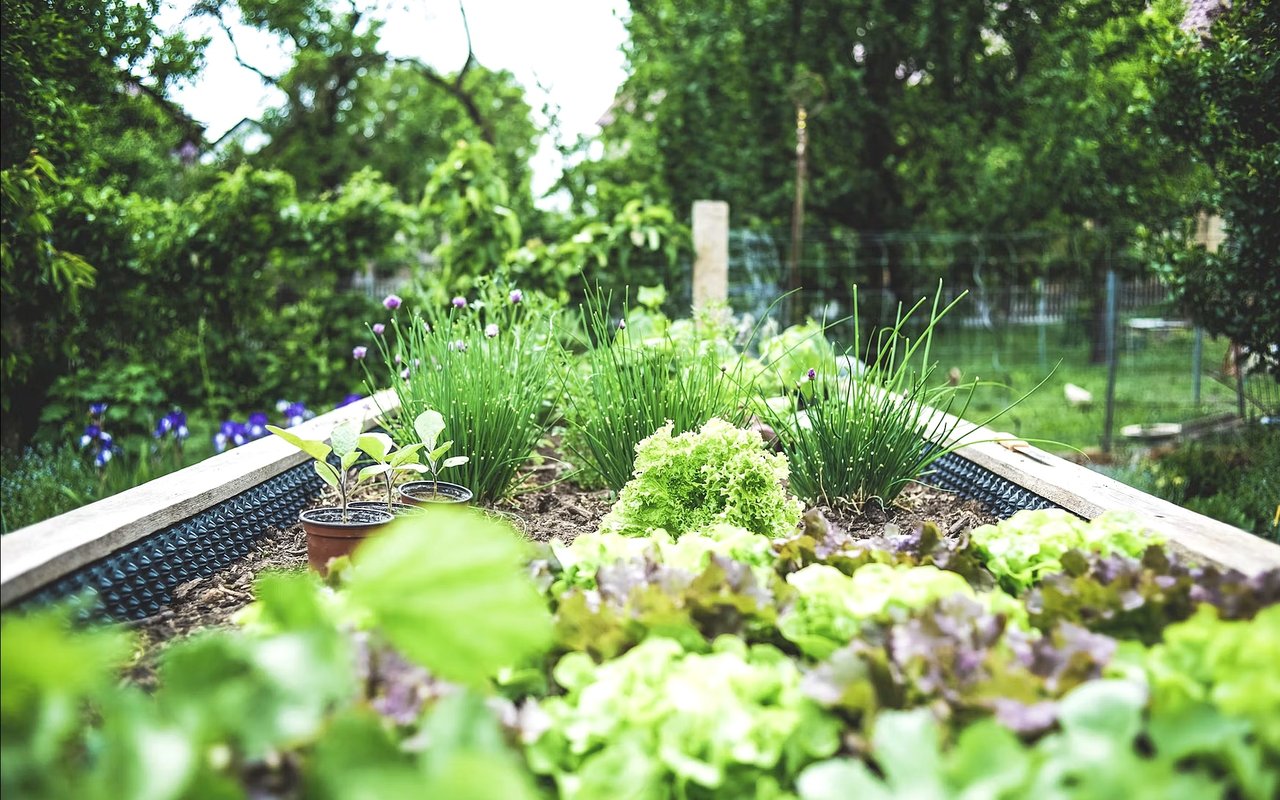
Once the basics are understood, deciding where to place a garden bed becomes much easier. Raised beds have become a popular choice throughout the region, particularly for homeowners dealing with the compacted or clay-heavy soil common in many older neighborhoods.
- Raised Beds: Allow gardeners to control soil quality without amending the entire yard.
- In-Ground Beds: Work well when existing soil already drains and supports growth.
- Container Gardens: Suit smaller yards or patios with limited direct-planting space.
- Vertical Growing: Maximizes a small footprint by training plants upward on trellises.
Buyers moving into townhomes near Potomac Yard or condos with small patios often start with containers before expanding into larger beds later.
Preparing Soil for a Successful First Season
Soil quality often determines success more than any other single factor, and testing before planting reveals exactly what a yard needs.
- Test First: A basic soil test reveals pH level and major nutrient deficiencies.
- Add Compost: Organic matter improves both drainage and nutrient content over time.
- Remove Debris: Clear rocks, roots, and construction debris common in newer developments.
- Mulch Beds: A layer of mulch retains moisture and suppresses weeds early on.
Skipping soil preparation is one of the most common reasons first-season gardens struggle to thrive.
Timing Your First Plantings
Regional planting calendars shift slightly depending on exact location, since a yard in Ashburn may see a later frost date than one closer to the District.
- Last Frost Date: Varies by a week or two depending on location within the region.
- Cool-Season Crops: Vegetables like lettuce and spinach tolerate cooler spring temperatures.
- Warm-Season Crops: Tomatoes and peppers need consistently warm soil before transplanting.
- Fall Planting: A second planting window in late summer extends the growing season further.
New homeowners often plant too early out of excitement, only to lose their first round of seedlings to a late cold snap.
FAQs
How much sunlight does a vegetable garden actually need?
Most vegetables need at least six hours of direct sunlight daily to produce well. Leafy greens and herbs can tolerate somewhat less, making them a good starting point for shadier yards.
Do I need raised beds if my yard already has good soil?
Raised beds are not required if the existing soil drains well and supports healthy growth. Many properties throughout the region do benefit from raised beds due to compacted or clay-heavy native soil.
When is the best time to start a garden in this region?
Timing depends on the specific crop and the property's exact location, since frost dates shift slightly across the metro area. Cool-season vegetables can generally go in the ground earlier than warm-season crops like tomatoes.
Contact KS Team Today
We make sure every client feels supported well beyond closing day, from understanding their yard's potential to connecting with resources about Arlington lifestyle and the practical side of settling into a new neighborhood. We can also point you toward helpful resources on moving to Alexandria, living in Falls Church, a neighborhood guide to Bethesda, and the keys to living in Washington DC on a budget, so you can find not just the right garden space, but the right neighborhood to grow it in.
If you are considering a move to the DC metro area and want a property with the right outdoor space for your gardening goals, reach out to us at KS Team.
If you are considering a move to the DC metro area and want a property with the right outdoor space for your gardening goals, reach out to us at KS Team.