
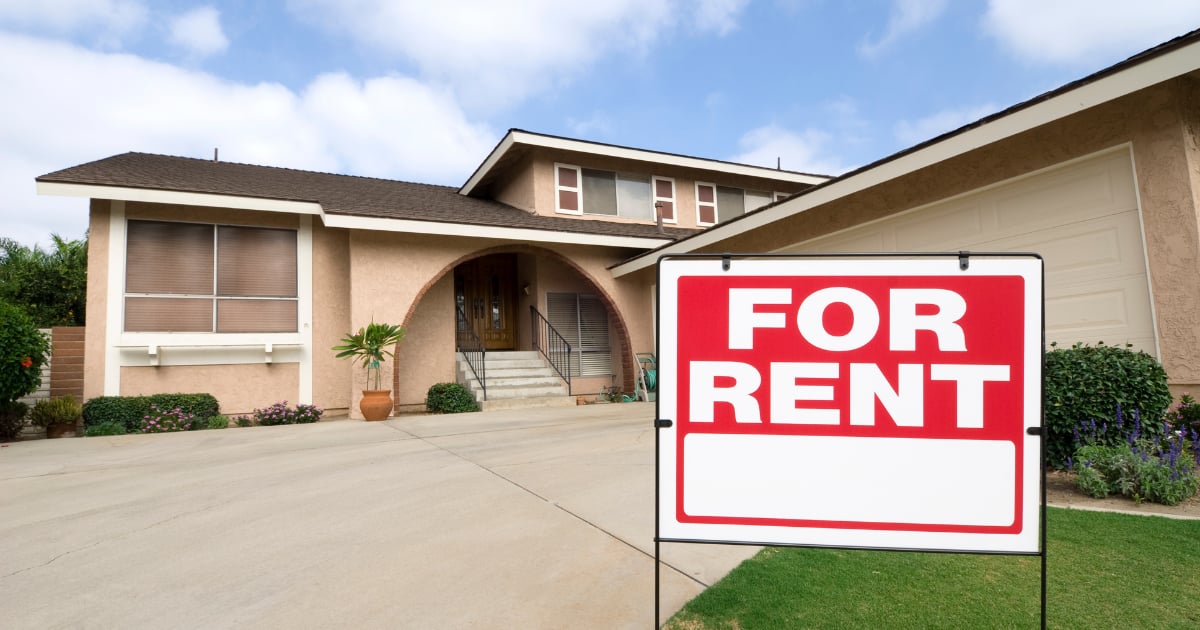
Buying an investment property in 2026 isn’t just about spotting a “good deal”—it’s about understanding which numbers actually drive long-term success in DMV real estate. In the Washington, D.C., Arlington, Alexandria, and Falls Church markets, rental demand can be strong, but so are the costs: financing, taxes, insurance, HOA/condo fees, and maintenance. If you’re thinking about buying a home in the DMV as a rental—whether it’s a condo near Metro or a single-family home in Arlington—this guide breaks down the most important metrics to run before you buy. The goal: a property that fits your budget now, cash-flows (or at least cash-flow plans) responsibly, and holds value for the future.
To start scouting inventory with an investor lens, use Search All Homes: https://kerishull.com/home-search/
How is the DMV market changing in 2026?
In 2026, many investors in Arlington VA real estate 2026 and across D.C. are operating in a more “numbers-first” environment. Appreciation still matters, but the market is less forgiving of thin margins. Buyers are looking closely at true monthly carrying costs, and tenants are expecting quality: updated systems, convenient locations, and responsive management.
Key shifts shaping rental property decisions:
-
Higher payment awareness: Even small changes in interest rates, condo fees, or insurance can swing your monthly outcome.
-
More tenant selectivity: Renters are comparing value—especially near Metro corridors and job hubs.
-
Condo/HOA scrutiny: Investors are more cautious about buildings with rising fees or rental restrictions.
-
Hybrid work location patterns: Demand is strong in walkable areas with easy D.C. access—think Arlington corridors, Alexandria nodes, and D.C. neighborhoods with transit plus amenities.
If you’re investing, your edge comes from choosing the right submarket and underwriting the property conservatively.
What numbers matter most when buying a rental property in the DMV?
A rental property can look great on paper until you plug in the real expenses. Here are the numbers you should focus on first.
1) Total monthly payment (PITI + “the extras”)
Start with the basics—then add what investors often forget.
PITI = Principal + Interest + Taxes + Insurance
Then add:
-
HOA/condo fees (if applicable)
-
Any special assessments (condos)
-
Utilities you’ll cover (water, trash, gas)
-
Property management (if you won’t self-manage)
-
Maintenance + capital reserves
Investor rule of thumb: Underwrite as if you’ll hire management, even if you don’t—because life changes.
2) Expected market rent (not “best-case” rent)
Your rent estimate should come from comparable rentals, not optimism. A strong rent number is one that holds up even if:
-
you have to price slightly under the market to lease quickly, or
-
the market softens seasonally.
A good agent will help you compare true comps in Arlington, Alexandria, Falls Church, and D.C.—street by street when needed.
3) Cash flow (monthly net)
Cash flow is the money left after all expenses.
Monthly Cash Flow = Rent – (PITI + HOA + management + maintenance + vacancy + other costs)
In some DMV neighborhoods, especially premium areas near Metro, you might see low or even near-zero cash flow early—but still a strong long-term strategy if:
-
the property is in a high-demand location, and
-
your reserves can comfortably cover any gaps.
4) Cash-on-cash return (CoC)
This tells you how hard your cash is working.
Cash-on-Cash Return = Annual pre-tax cash flow ÷ total cash invested
“Total cash invested” includes down payment, closing costs, and immediate repairs or upgrades. CoC is a practical metric because it reflects the leverage reality of owning real estate.
5) Cap rate (useful—but not the whole story)
Cap rate is common in commercial investing, but it can still help you compare properties.
Cap Rate = Net Operating Income (NOI) ÷ purchase price
NOI is income minus operating expenses (not including mortgage payments). In high-demand DMV markets, cap rates are often lower than in other regions—so it’s best used to compare relative value across similar properties, not to chase an arbitrary “perfect” number.
6) Vacancy rate and leasing timeline
In investor-friendly neighborhoods, the real win isn’t just higher rent—it’s faster leasing and lower vacancy.
Ask:
-
How quickly do similar rentals lease in this neighborhood?
-
Do rentals slow down seasonally here?
-
Is parking, Metro access, or building amenities a deciding factor?
A “slightly lower rent, leased faster” strategy can outperform a higher-rent listing that sits.
7) Repair reserves and capital expenditures (CapEx)
Every property will need repairs. The question is whether you planned for them.
Budget for:
-
HVAC / water heater replacement cycles
-
roof or exterior costs (for single-family/townhomes)
-
appliances
-
paint, flooring, and turnover costs
A smart investor builds a monthly reserve so repairs don’t become emergencies.
Which DMV neighborhoods tend to work well for rental properties?
The best rental neighborhoods depend on your strategy: cash flow, appreciation, stability, or a hybrid. In 2026, many investors focus on areas with strong renter demand tied to transit, job centers, and lifestyle amenities.
Common investor targets include:
Arlington
-
Rosslyn–Ballston corridor: Transit-driven demand and strong renter pool
-
Pentagon City / Crystal City: Proximity to National Landing and commuting hubs
-
Shirlington: Lifestyle appeal + access to major routes
Alexandria
-
Old Town / Old Town fringe: Premium demand; lifestyle-driven tenants
-
Carlyle/Eisenhower area: Transit and development momentum
Falls Church
-
Metro-adjacent pockets: Convenient access to Arlington and D.C.
-
Neighborhoods near major commuter routes: Good for hybrid tenants and long-term stability
Washington, D.C.
-
Navy Yard / Capitol Riverfront: Modern inventory and amenity demand
-
NoMa / H Street area: Transit access + growth patterns
-
Brookland / Petworth (select pockets): Neighborhood feel + steady renter interest
The key is matching the neighborhood to your tenant profile—and pricing to the reality of that micro-market.
What should first-time buyers know in Arlington VA?
Many first-time investors start in Arlington because it’s familiar, commuter-friendly, and historically resilient. If you’re approaching this like a first-time homebuyer guide DC but with an investor twist, keep these in mind for Arlington VA real estate 2026:
-
Condos aren’t “set-and-forget.” Review condo docs carefully—fees, reserves, and rental caps matter.
-
Layout beats finishes. Tenants care about functionality (light, storage, parking, laundry) as much as upgrades.
-
Think resale from day one. The best rentals are often the same homes future buyers will want—location, transit, and livability.
-
Don’t stretch without reserves. In a high-cost market, reserves are what keep an investment healthy.
For added confidence as you buy, review our Buyer Guarantee: https://kerishull.com/buyer-guarantee/
What costs do investors overlook most often in the DMV?
This is where deals quietly go wrong. The most overlooked costs include:
-
Condo fees and special assessments (especially in older buildings)
-
Property management fees and leasing fees
-
Turnover costs (paint, cleaning, minor repairs between tenants)
-
Insurance changes (rates and coverage needs can shift)
-
Maintenance creep (small items add up quickly)
-
Time cost (your time has value, even if you self-manage)
If you underwrite conservatively, you’ll sleep better—and you’ll be able to hold the property through normal market cycles.
FAQ: How much cash flow should a rental property make in the DMV in 2026?
There’s no single “right” number, because many DMV investors prioritize stability and long-term value in premium locations. A better benchmark is: Does the property still work if you budget for vacancy, management, and maintenance—without relying on best-case rent? If the deal only works with perfect conditions, it’s too thin.
FAQ: Is a condo or townhouse better for investing in the DMV?
Condos can be easier to maintain and attractive to renters near Metro—but HOA rules, fees, and rental restrictions matter.
Townhouses may offer stronger tenant appeal (space, privacy), but you’ll take on more maintenance responsibility.
The best choice depends on your budget, your target tenant, and how hands-on you want to be.
FAQ: Should I buy a rental property now or wait?
Timing the market is hard—especially in a region like the DMV where demand can remain strong due to jobs, transit, and lifestyle. A better question is: Do the numbers work with conservative assumptions today? If the deal works now—and you can hold it—waiting can sometimes mean missing the right property in the right neighborhood.
Ready to invest with confidence in DMV real estate?
A strong rental property isn’t found—it’s underwritten. If you want help identifying investor-friendly neighborhoods, estimating realistic rent, and evaluating the true cost of ownership, KS Team real estate experts can guide you from first showing to final numbers—whether you’re buying in Arlington, Alexandria, Falls Church, or Washington, D.C.
Ready to take the next step toward your Arlington VA home? Contact KS Team today to schedule a free buyer consultation or get your home’s value instantly with our free home valuation tool:
https://kerishull.com/home-valuation/
Don’t forget — our Buyer Guarantee and Seller Guarantee give you total peace of mind in any market:
Contact us here: https://kerishull.com/contact-us/