
By KS Team
A beautifully maintained 1960s rancher in Bowie may sell within days, while a newer build just a few blocks away sat on the market considerably longer due to pricing that did not match its actual condition. Age alone rarely tells the whole story, yet it still shapes buyer expectations, financing decisions, and appraisal outcomes in ways worth understanding clearly.
This guide breaks down how a property's age genuinely factors into its worth throughout Southern Maryland.
Key Takeaways
- Systems: Original mechanical systems in older homes often factor into buyer negotiations.
- Construction: Building standards and materials have shifted considerably across different decades.
- Renovations: Updates can significantly offset the impact of a home's original construction date.
- Appraisals: Age influences comparable sales selection during the appraisal process.
How Age Affects a Home's Mechanical Systems
Buyers and appraisers alike pay close attention to the age of major systems, since an original 1970s furnace signals a very different maintenance outlook than a system replaced five years ago.
- HVAC Age: Systems approaching or exceeding their expected lifespan often prompt buyer negotiations.
- Roof Condition: Roof age directly affects both insurability and buyer confidence.
- Plumbing Materials: Older pipe materials sometimes raise concerns during inspection.
- Electrical Panels: Outdated panels may require upgrades to meet current safety standards.
Buyers frequently request credits or repairs tied specifically to system age rather than the home's overall construction date.
Construction Standards Across Different Decades
Building codes and construction methods have changed substantially over the decades, which affects how a home built in one era compares to a home built in another.
- Insulation Standards: Homes built before modern energy codes often carry higher utility costs.
- Room Layouts: Older floor plans tend toward more segmented rooms than today's open concepts.
- Ceiling Heights: Construction era often dictates standard ceiling height throughout a home.
- Window Efficiency: Original windows in older homes typically underperform compared to modern options.
These differences shape buyer expectations before they even step inside a specific property.
The Role Renovations Play in Offsetting Age
A well-executed renovation can meaningfully change how buyers perceive an older home, sometimes closing much of the value gap between an older property and new construction.
- Kitchen Updates: Modernized kitchens often deliver strong returns relative to their cost.
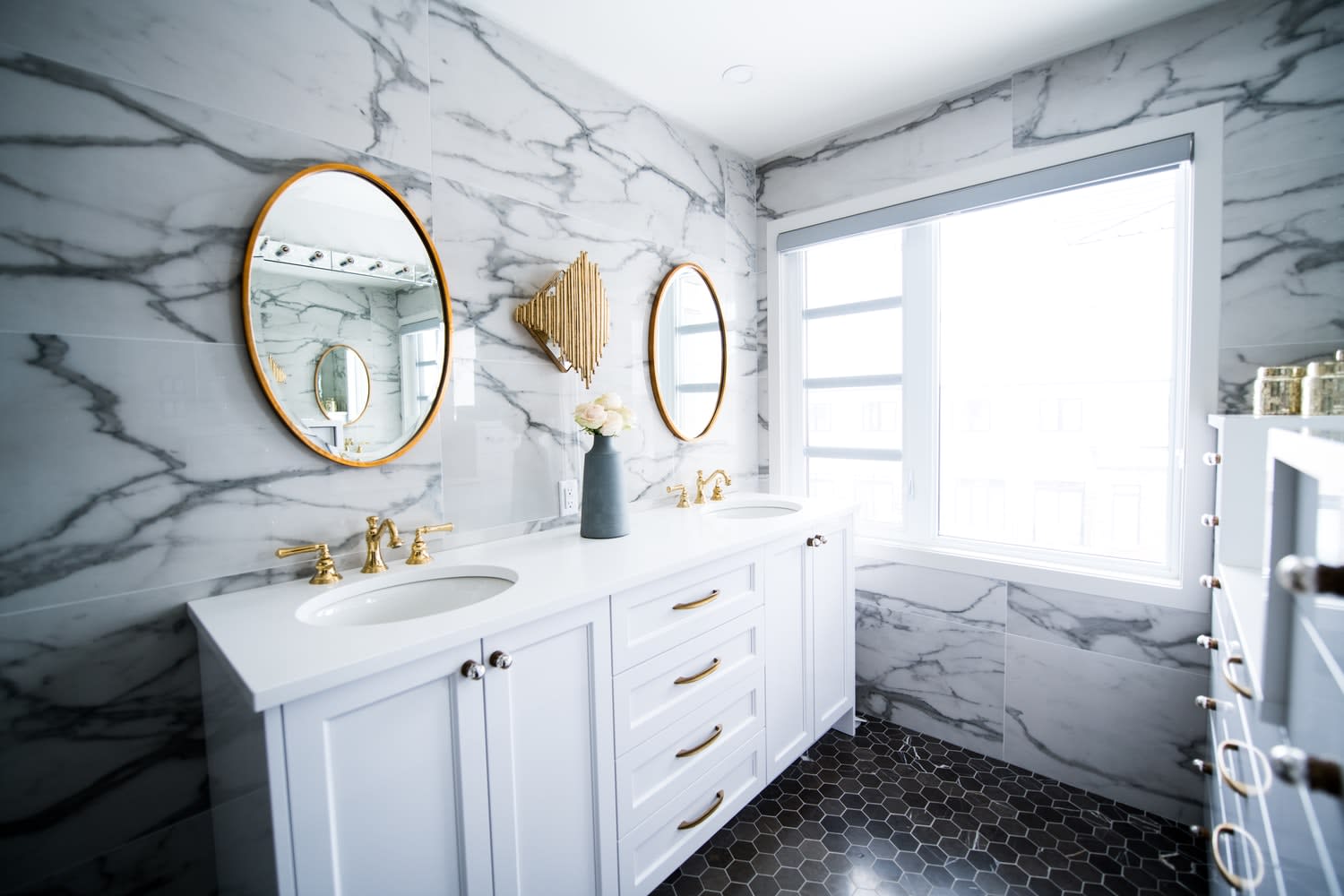
- Bathroom Remodels: Updated bathrooms address one of buyers' most common concerns in older homes.
- System Replacements: A newer HVAC or roof can offset concerns tied to the home's original age.
- Flooring Updates: Replacing dated flooring changes a buyer's first impression significantly.
This is where understanding luxury home design trends becomes genuinely useful for sellers considering updates before listing.
How Age Factors Into the Appraisal Process
Appraisers consider a home's age when selecting comparable sales and adjusting for differences between properties, which directly affects the appraised value a buyer's lender relies on.
- Comparable Selection: Appraisers generally favor comps of a similar age and construction era.
- Condition Adjustments: Renovations can prompt upward adjustments despite an older construction date.
- Depreciation Factors: Formal depreciation calculations account for a property's age and condition.
- Market Demand: Buyer preference for certain eras can influence value beyond pure age calculations.
We work closely with clients to anticipate how an appraiser will likely view their specific property before it goes under contract.
FAQs
Does an older home always sell for less than a newer one?
Not necessarily, since renovations, location, and overall condition often matter more than construction date alone. A well-maintained older home can compete effectively against newer construction in the same area.
How much do updated systems affect a home's value?
Updated major systems like HVAC and roofing can meaningfully improve buyer confidence and reduce negotiation around repairs. These updates often matter more to buyers than the home's original construction date.
Should I renovate before selling an older home?
Strategic renovations, particularly in kitchens and bathrooms, often improve a home's competitiveness against newer properties. We help sellers evaluate which updates make sense given their specific home and local market conditions.
Contact KS Team Today
The relationship between home age and market value helps both buyers and sellers set realistic expectations. Knowing what to look for in a real estate agent matters here, and understanding why sellers trust agents with this kind of pricing strategy is exactly the kind of guidance we bring to every transaction.
If you're preparing to buy or sell in Southern Maryland and want guidance grounded in real market knowledge, reach out to us at KS Team.
If you're preparing to buy or sell in Southern Maryland and want guidance grounded in real market knowledge, reach out to us at KS Team.