By KS Team
We have watched a client in Bowie convert an unused formal dining room into a floor-to-ceiling library that became the most-used room in the entire house. We have also seen a small nook off a hallway in an older Southern Maryland home transformed into a cozy reading corner with nothing more than a comfortable chair and well-placed shelving. We make sure every client sees the full potential in the space they already have, understanding why market knowledge matters when it comes to recognizing which updates add lasting value.
This guide covers how to build a home library that genuinely gets used, whatever the size of the space involved.
Key Takeaways
- Location: Underused spaces like nooks or formal dining rooms often work well.
- Shelving: Built-ins maximize storage while adding architectural interest.
- Lighting: Task lighting matters as much as ambiance for a functional reading space.
- Seating: Comfortable seating determines whether a library actually gets used.
Finding the Right Space for Your Library
Not every home has an obvious room to dedicate as a library, but many properties throughout Southern Maryland include underused spaces that work well with a little reimagining.
- Formal Dining Rooms: Rarely used dining spaces convert easily into a library setting.
- Hallway Nooks: Small alcoves can hold a chair and shelving without feeling cramped.
- Bonus Rooms: Extra rooms above garages often make excellent dedicated reading spaces.
- Living Room Corners: A single wall of built-ins can create a library feel within a larger room.
A formal dining room used only a few times a year or an awkward hallway nook often makes a better library than people initially expect.
Choosing Shelving That Fits Your Collection
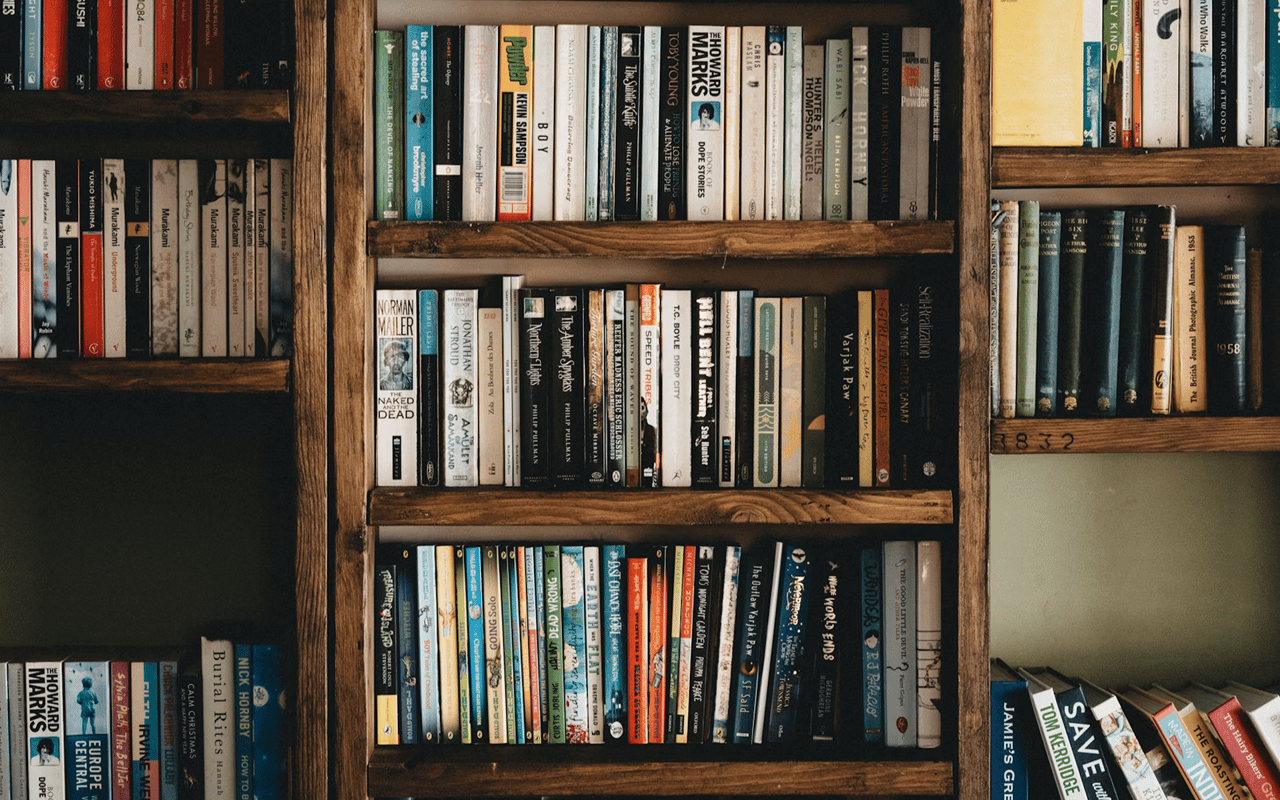
Shelving forms the backbone of any home library, and the right choice depends on both the size of a book collection and the architectural style of the home itself.
- Built-In Shelving: Custom-fitted shelves maximize wall space and add lasting value to a home.
- Freestanding Bookcases: Flexible and often more affordable than custom installations.
- Floor-to-Ceiling Units: Draw the eye upward and make a strong visual statement in larger rooms.
- Modular Systems: Adjustable shelving adapts as a collection grows over time.
Matching shelving style to the home's existing architecture keeps the space feeling intentional rather than added as an afterthought.
Getting Lighting Right for Reading
Good lighting separates a library that gets used from one that becomes a nice-looking but impractical showpiece. Natural light matters, but layered artificial lighting matters just as much for evening reading sessions.
- Reading Lamps: Positioned near seating for direct, glare-free light while reading.
- Natural Light: Windows should be considered alongside shelving placement to avoid sun damage to books.
- Accent Lighting: Small fixtures highlighting shelves add warmth without overwhelming the space.
- Dimmable Options: Flexibility to adjust brightness suits different times of day.
Balancing these elements ensures the space feels inviting whether someone is reading in the afternoon or settling in after dinner.
Selecting Furniture That Invites You to Stay
A library only gets used regularly if the seating actually feels comfortable enough to settle into for an extended period.
- Comfortable Seating: A well-cushioned chair matters more than a stylish but stiff option.
- Side Tables: A nearby surface for a drink or a stack of books adds practicality.
- Footstools: Small ottomans encourage longer, more relaxed reading sessions.
- Rugs: A soft rug underfoot adds warmth and helps define the space within a larger room.
Prioritizing comfort over pure aesthetics leads to a room people actually want to spend time in. We encourage clients to sit in any chair for several minutes before purchasing it specifically for a reading space.
FAQs
Do I need a dedicated room to build a home library?
No, many successful home libraries use underused spaces like a formal dining room or a hallway nook rather than a dedicated room. The right shelving and seating can transform even a small corner into a functional library.
What kind of lighting works best for a reading space?
A mix of natural light, direct reading lamps, and softer accent lighting generally works better than relying on a single overhead fixture. Dimmable options add flexibility for different times of day.
Should I choose built-in or freestanding shelving?
Built-in shelving offers a more polished, permanent look and often appeals to future buyers, while freestanding options provide more flexibility and a lower upfront cost. The right choice depends on budget and how long you plan to stay in the home.
Contact KS Team Today
If you're searching for a home with the right space for your own library, or want to know more about how to be a good neighbor once you settle in, reach out to us at KS Team.
We're also happy to share resources on staycations near Alexandria and the best schools in the DMV as you get to know the region beyond just the home itself.