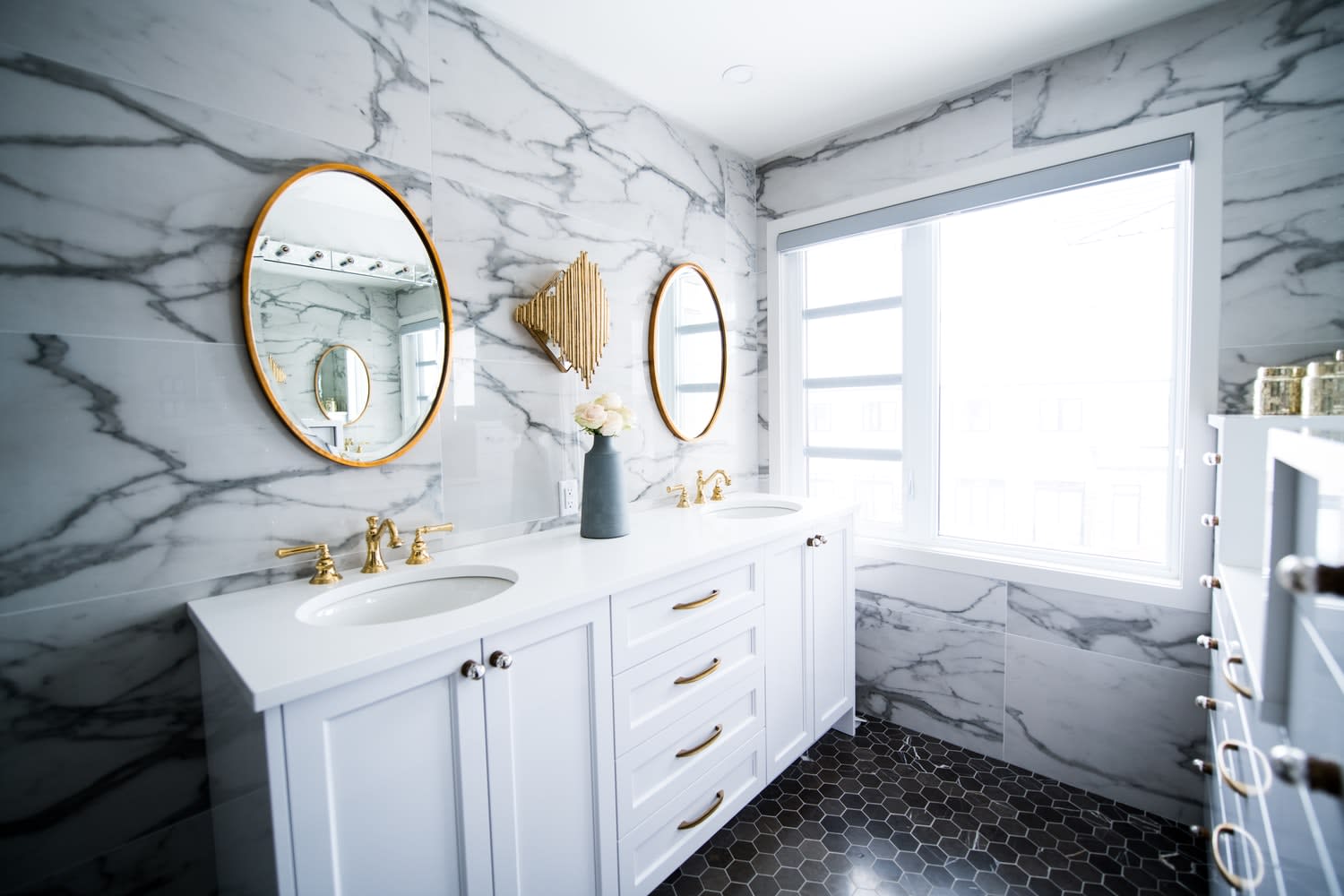
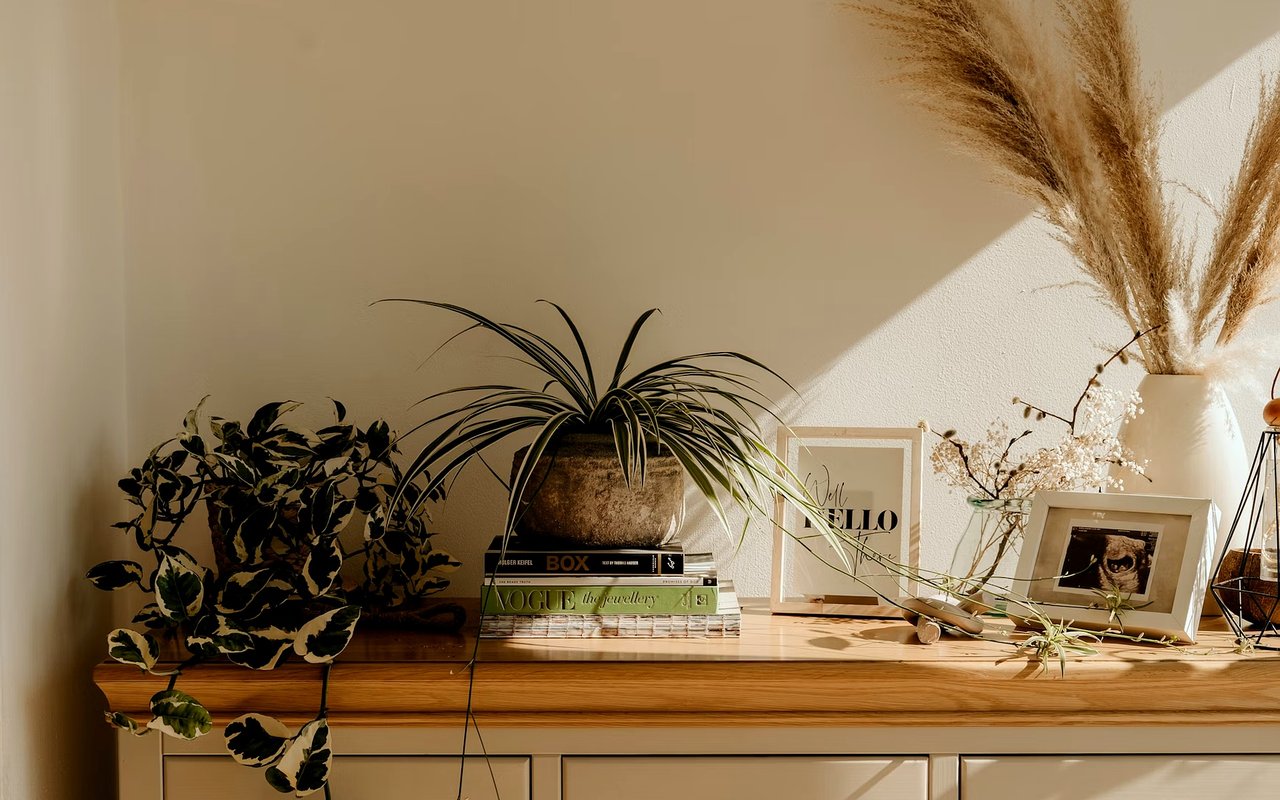
Small Space Design Guide
Interior Design Tips That Maximize Small Spaces in Arlington VA
Maximizing small spaces in Arlington, Virginia homes increases usable room square footage by 20% to 35% through vertical wall storage, multi-functional furniture, layered LED lighting, and continuous light neutral paint palettes. Strategic 48-inch floor mirrors expand perceived room depth across 650 to 950 square foot urban condo layouts.
Designing Or Upgrading An Arlington Home?
Explore Arlington Condo Layouts vs. High Walk Score Neighborhoods
Spatial Optimization
Elevating Functionality Across Compact Arlington Floor Plans
Urban residences in Arlington, Rosslyn, and Ballston often feature compact floor plans ranging from 550 square foot one-bedroom apartments to 1,200 square foot townhomes. Implementing intentional layout mapping, built-in storage units, and reflective glass surfaces maximizes liveable area without compromising aesthetic luxury.
Core Strategies
4 Key Principles for Small Space Interior Design
01
Vertical Wall Utilization
Install floor-to-ceiling shelving and wall-mounted cabinetry to utilize underused vertical space and draw sightlines upward toward the ceiling line.
02
Multi-Functional Furniture
Select storage ottomans, extendable dining tables, and drop-leaf wall desks to serve dual utility needs without cluttering primary walkways.
03
Layered Lighting Planes
Combine warm 2700K ambient ceiling fixtures, wall-mounted reading sconces, and hidden LED strip lighting along floating shelves to eliminate dark shadows.
04
Monochromatic Color Palette
Apply soft off-white, light slate gray, or warm cream tones across walls, trim, and drapery to blur visual room boundaries.
Data Extraction Matrix
Small Space Design Solutions and Efficiency Metrics
Design Intervention | Space Saving Impact | Implementation Cost Range |
|---|---|---|
Floor-to-Ceiling Built-In Shelving | Adds 15 to 25 cubic feet of storage [1] | $1,200 to $3,500 custom installation |
Large Wall Mirror Placement | Doubles visual depth and ambient light reflectance [2] | $250 to $800 framed glass assembly |
Under-Bed Hydraulics & Drawers | Frees 12 to 18 square feet of closet floor space [3] | $600 to $1,800 storage bed frame |
Floating Wall Desk & Sconces | Eliminates 8 square feet of desk footprint [4] | $350 to $950 mounted unit and hardwiring |
Pocket Door Conversion | Reclaims 10 square feet of door swing clearance [5] | $800 to $1,600 framing and track hardware |
Sources: American Society of Interior Designers Guidelines, National Kitchen and Bath Association Planning Standards, Arlington Building Code Specifications.
Smart Furniture Placement and Lighting Layering Techniques
Optimizing compact floor plans in Arlington urban condominiums requires careful furniture spatial arrangement and proportion control. Heavy, oversized sectional sofas and dark hardwood credenzas absorb natural light and block foot traffic pathways. Selecting raised furniture pieces with exposed slim metal or light wood legs allows light to pass underneath, creating an open, unencumbered floor surface throughout living rooms.
Illumination plays a crucial role in shaping spatial perception. Single overhead ceiling light fixtures cast harsh downward shadows that accentuate tight room corners. Integrating three distinct lighting layers, including overhead ambient recessed cans, wall-mounted reading sconces, and hidden LED strip lighting along floating shelves, eliminates dark corners and visually expands room boundaries during evening hours.
Local Interior Design and Home Resource Showrooms
- Design Within Reach Studio Arlington: 2200 Clarendon Blvd, Arlington, VA 22201. Showroom specializing in modern compact furniture and lighting.
- Arlington Decorative Hardware & Plumbing: 3513 Wilson Blvd, Arlington, VA 22201. Supplier for space saving cabinet pulls, sconces, and vanity hardware.
- Washington Design Center: 1099 14th St NW, Washington, DC 20005. Regional trade center for custom built-in cabinetry and upholstery.
Monochromatic Color Palette Selection and Reflective Surfaces
Color continuity establishes seamless visual transitions between adjoining living spaces in compact homes. Applying a unified monochromatic color scheme, such as warm off-white or pale slate gray across living rooms, dining nooks, and entry hallways, removes abrupt visual breaks. Painting trim, baseboards, and window casings in the same sheen level as surrounding walls further blurs room edges, making ceilings appear taller.
Integrating reflective materials and strategically positioned mirrors amplifies natural sunlight in Arlington residences. Hanging a large 48-inch round or floor-length rectangular mirror directly opposite primary exterior windows reflects outdoor tree line views and doubles natural daylight exposure. Glass coffee tables and lucite dining chairs maintain functionality while preserving unobstructed visual sightlines throughout tight floor plans.
Internal Knowledge Base
Related Arlington Home Design and Market Resources
Arlington Relocation Guide
Comprehensive breakdown of neighborhood walkability, Metrorail access, and school districts.
Arlington vs Alexandria Cost Guide
In depth side by side analysis comparing home prices, property taxes, and monthly expenses.
Arlington House Flipping Guide
Master property renovation budgets, zoning permits, and resale marketing tactics.
Home Seller Mistakes Guide
Learn how to avoid pricing errors, staging oversights, and inspection disputes.
Common Inquiries
Frequently Asked Questions
What paint colors make a small room look larger?
Soft off-whites, pale grays, warm creams, and light slate tones reflect natural light and eliminate harsh visual breaks, making small bedrooms and living rooms appear larger and airier.
How can I create storage in a small condo without taking up floor space?
Utilize vertical wall real estate by installing floor-to-ceiling floating shelving, wall-mounted desks, and tall vertical cabinets. Under-bed storage hydraulic frames also reclaim unused floor space.
Where is the best place to position mirrors in a compact apartment?
Position large mirrors directly opposite primary exterior windows. This setup bounces natural sunlight deeper into living areas and reflects outdoor sightlines, visually doubling room depth.
What type of furniture works best for small living spaces?
Multi-functional furniture with slim profiles and raised legs works best. Storage ottomans, drop-leaf tables, and glass coffee tables preserve floor visibility and multi-purpose utility.
Does interior design impact home resale value in Arlington VA?
Yes, thoughtful spatial organization, modern lighting, and built-in storage solutions increase property appeal to buyers, commanding premium offers and reducing days on market.
Authored by Keri Shull | Founder, Keri Shull Team
eXp Realty | Virginia Licensed Real Estate Broker | Over $5 Billion in career transaction volume across Northern Virginia and Washington DC. Ranked as the top selling real estate team in Arlington County.
Explore Arlington Real Estate
Looking For A Home With Potential in Arlington VA?
Gain exclusive priority access to off market condos, townhomes, and single family homes with spatial potential before they hit the open MLS.